The investment gap is real, but concrete opportunities exist for SMEs willing to take action.

Between 1997 and 2024, Quebec’s manufacturing capital stock, including machinery, buildings, and intellectual property, declined by 5.3%. Over the same period, the United States saw a 54% increase. It’s the kind of number that stops a plant manager cold on a Monday morning, and the Institut du Québec put it back on the table this past May.
A gap that doesn’t lie
Before hitting the panic button, take a breath. That same week, another number was making the rounds: Quebec’s manufacturing GDP reached $52.5 billion in 2025. The sector is not collapsing, but it is not investing enough to keep pace with its neighbours to the south.
This investment gap is not an accounting abstraction. It largely explains the productivity lag in Quebec manufacturing. Less capital going into automation, equipment and systems means less capacity to absorb an unexpected order, replace an employee who retires with 30 years of knowledge in their head, or simply understand where time is being lost on the shop floor.
What the gap really costs
So what do you do with this when you run an SME? The Institut du Québec study points part of the answer toward large enterprises. Raising the province’s manufacturing capacity at scale will require companies with 500 or more employees, capable of anchoring investment over the long term. That debate is legitimate, but if you run a plant of 40, 80, or 150 people, you are not steering Quebec’s manufacturing strategy. You are running your floor and the lever looks different.
You’re in charge of your floor plan, not the provincial strategy.
That lever is the productivity you actually control: eliminating inefficiencies that quietly accumulate and organizing the data sitting in binders, Excel files, and people’s heads. Picture a manufacturer in the Beauce region who discovers, after six months of tracking, that a single press is responsible for 40% of all unplanned downtime. No new equipment revealed that. Simply starting to measure did.
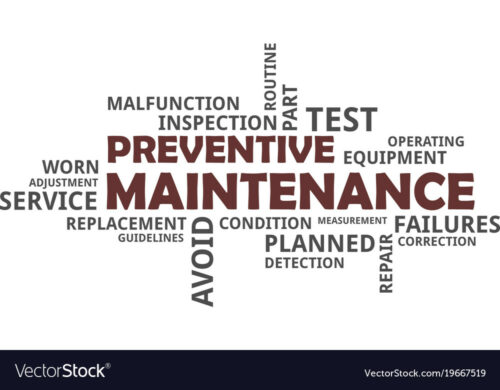
When maintenance becomes predictable and well-documented and when you know the real cost of a line stoppage, that is when you regain control. The objection comes up often: it costs too much. That is understandable. What gets said less is that this transition can be funded. Quebec currently offers many programs to help manufacturing SMEs modernize, including non-repayable grants and favourable loans. The real challenge is not a lack of available funding. It is knowing which programs exist, which ones can be combined and in what order to apply for them.
We have done the sorting for you.
Sources: Institut du Québec, “Accroître la capacité manufacturière du Québec” (May 27, 2026); Le Devoir, coverage of the IQ study (May 2026); Les Affaires, François Normand column on the manufacturing sector (June 2026). Interal is not a financial advisor; eligibility for any program must be confirmed with the relevant organization.
Discover the programs that fund your digital shift: